Explored users’ shower singing habits and identified key pain points
Created user flows and designed key features for hands-free interaction
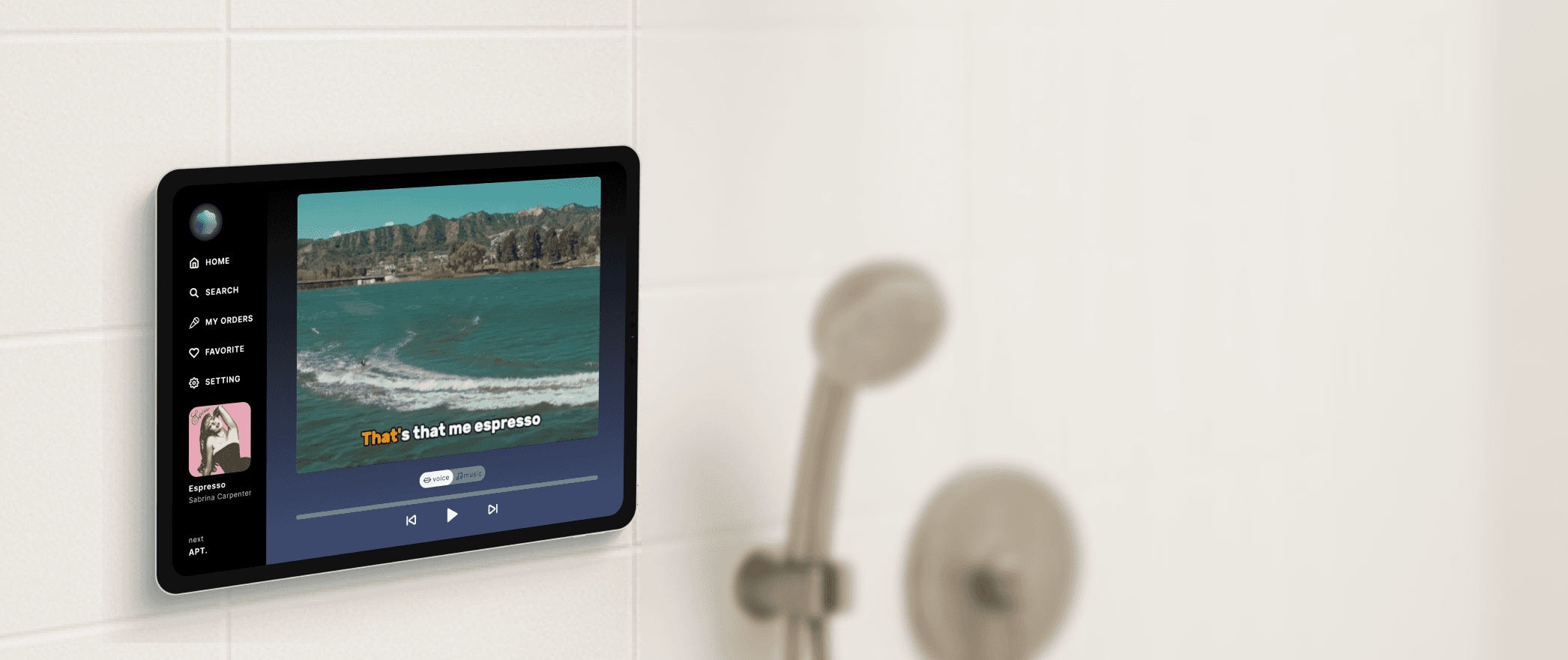
Built a KTV shower system with key functions
Conducted one pre-test and two rounds of formal user testing
Refined prototype and testing strategies based on findings
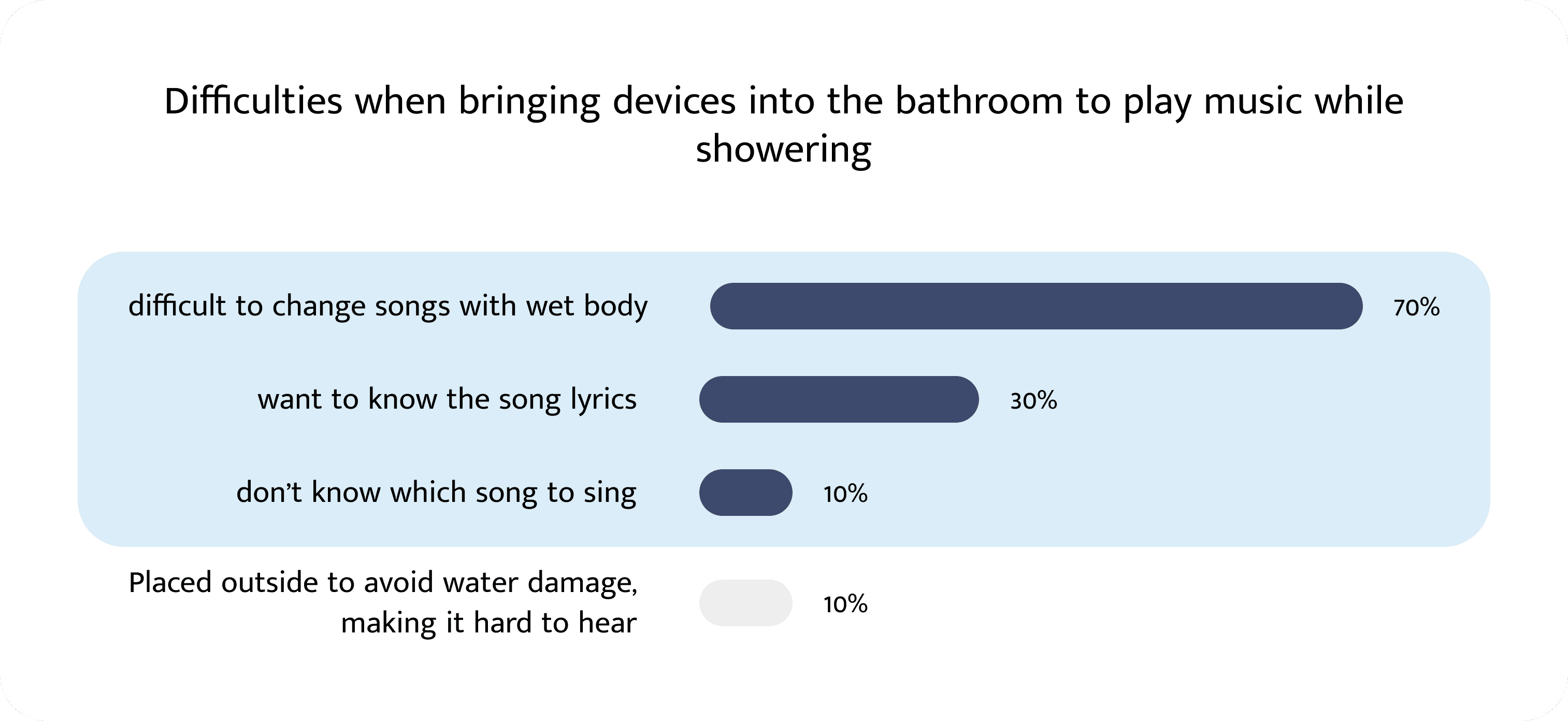

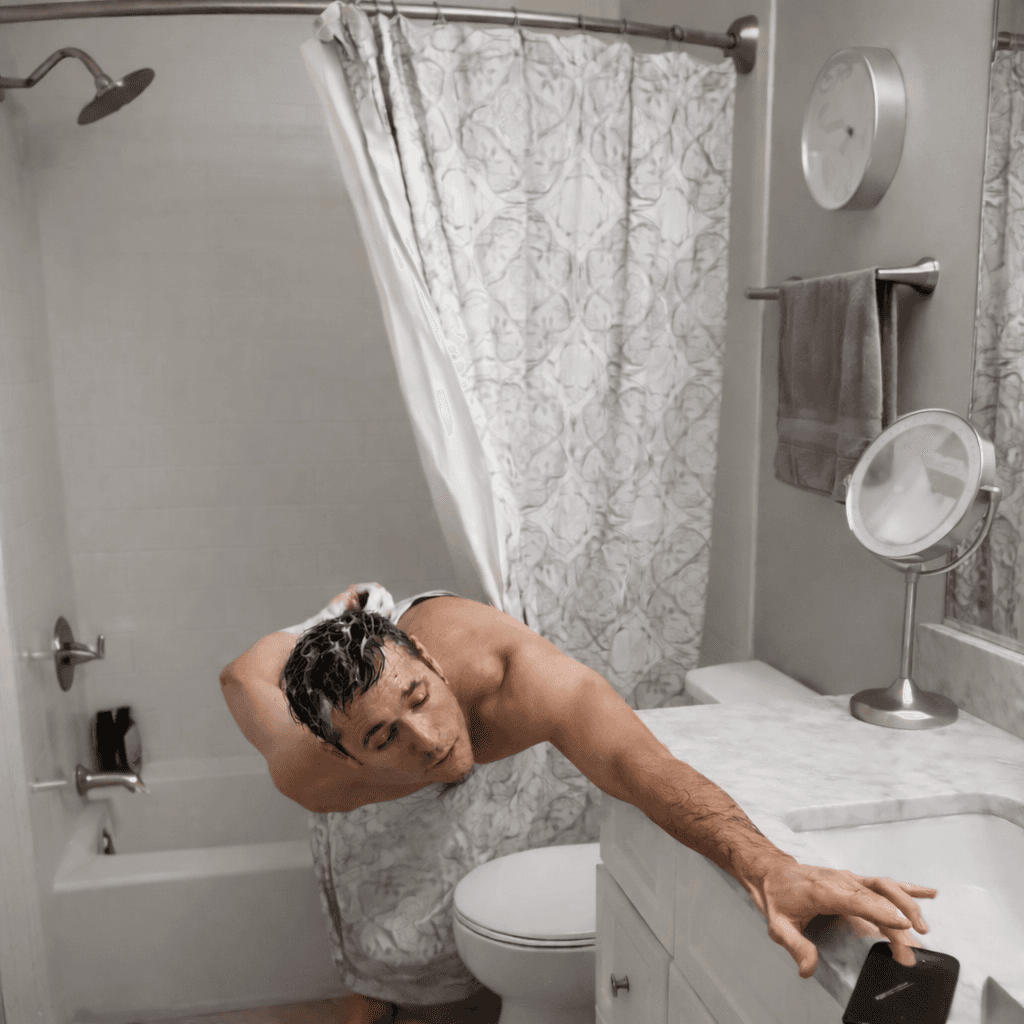
" Difficult to change songs with wet body "
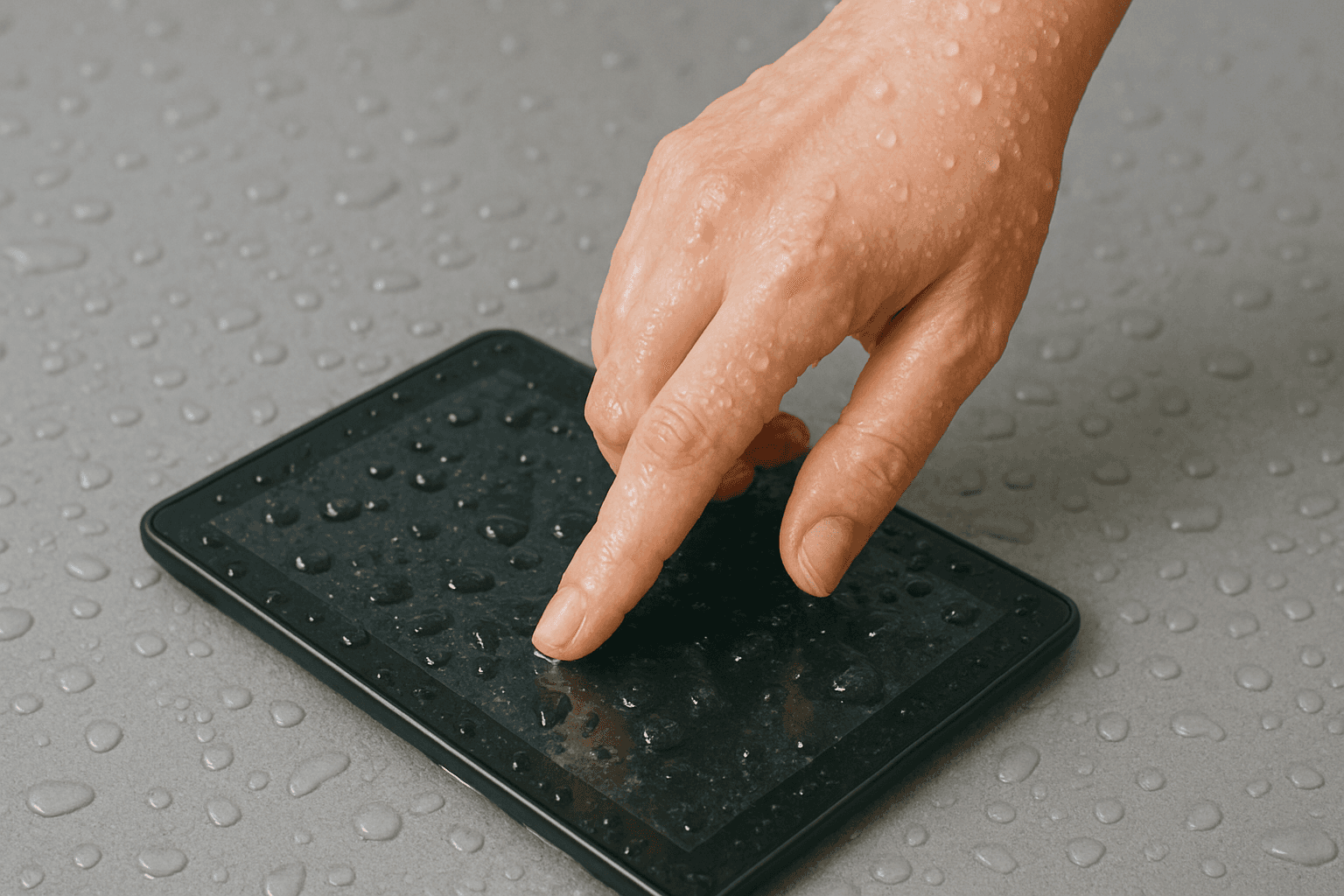
Manual Control
Stopping to change songs, search, or adjust the volume disrupted the showering flow.
Voice Assistant
Enabled hands-free control to keep showering flow.
" Sometimes I don’t know what to sing. "

Manual Search
Users had to manually browse songs, breaking the showering flow.
AI Recommendation
Delivered personalized, mood-based song suggestions to spark inspiration.
" I want to know the song lyrics. "
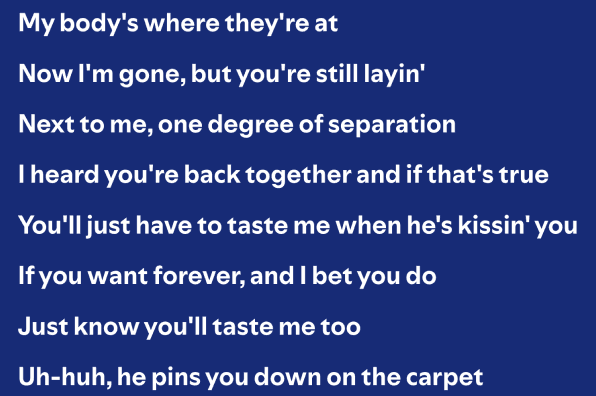
No Lyrics Support
Not knowing the lyrics made it hard to sing along.
Karaoke-Style Lyrics
Displayed real-time lyrics to support smooth sing-along.
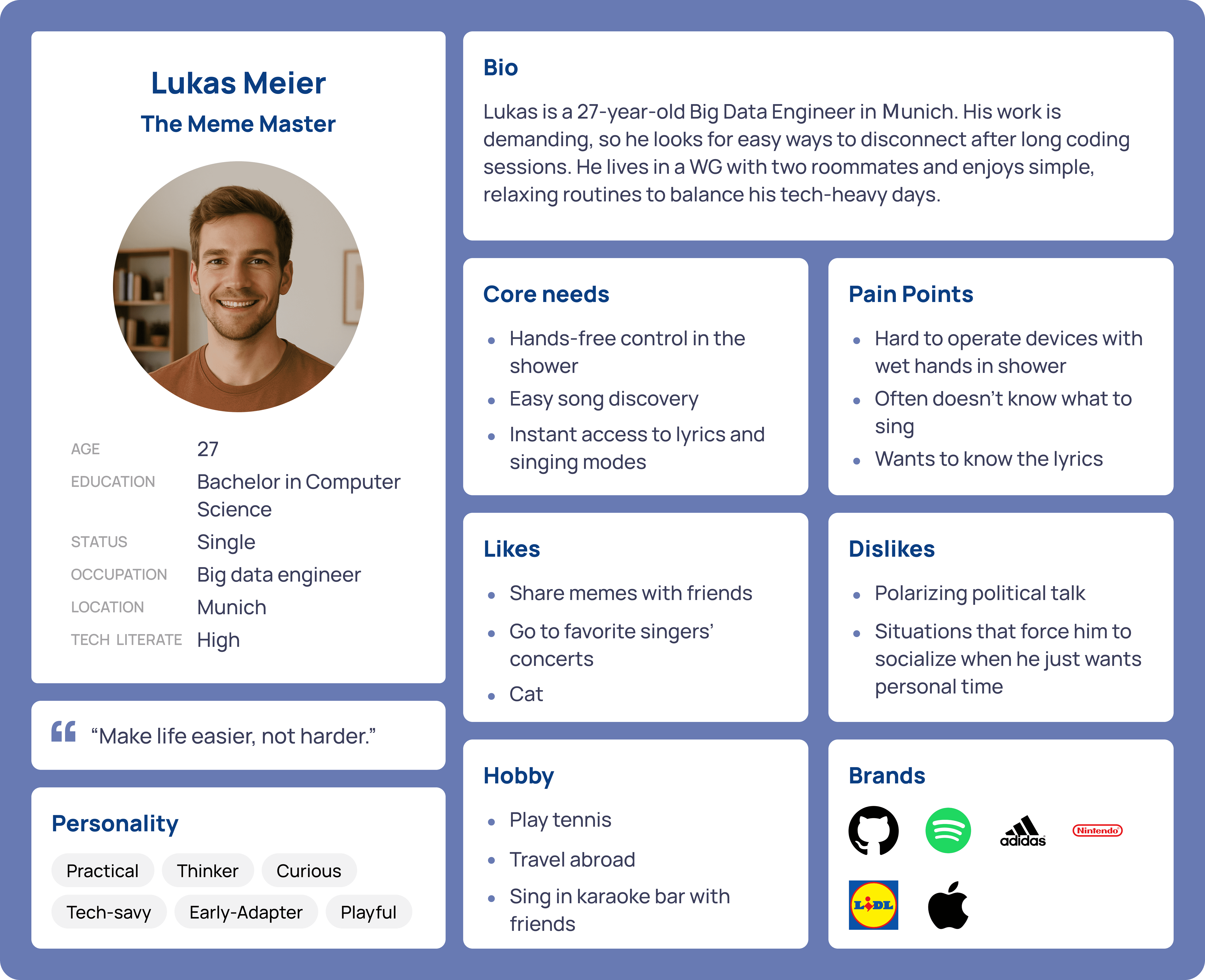
Persona
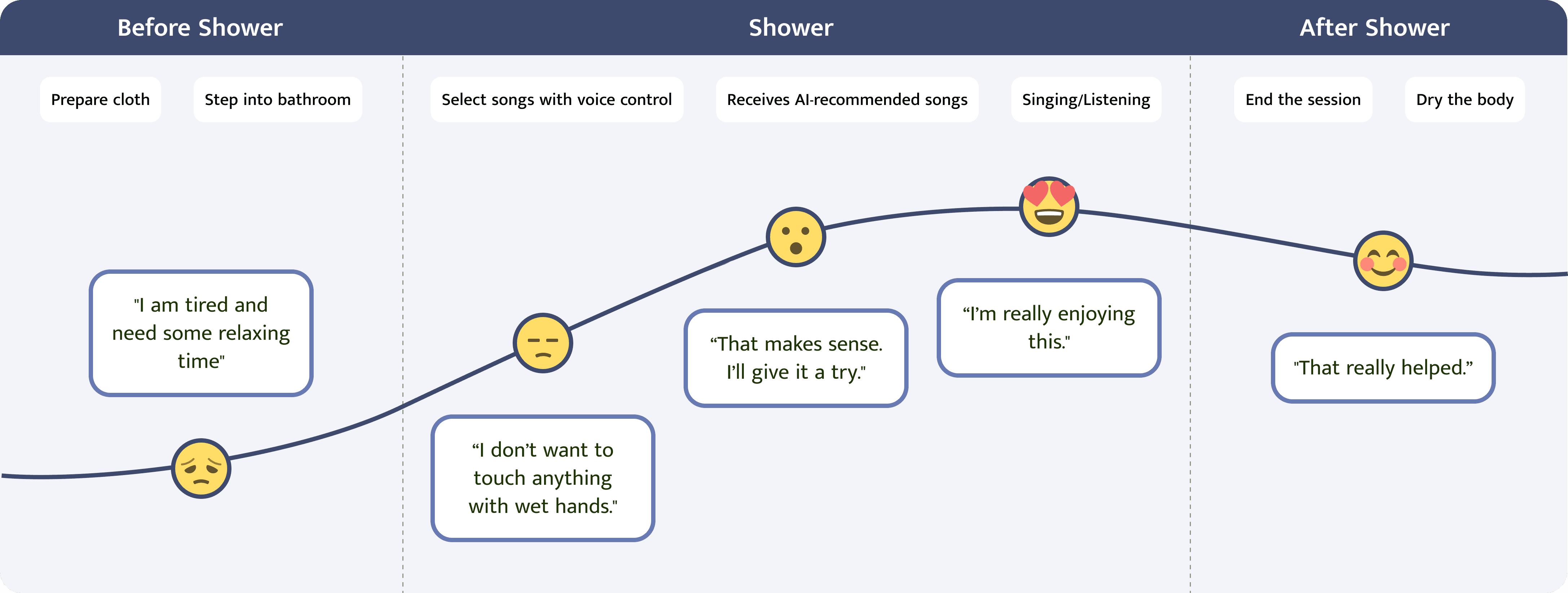
User Journey Map
Orpheus brings together AI voice interaction and karaoke to create a hands-free shower singing experience that adapts to users’ mood and context.

Through voice interaction with the AI, users can express their mood and receive song recommendations that match their emotional state.
happy
high
relax
sad
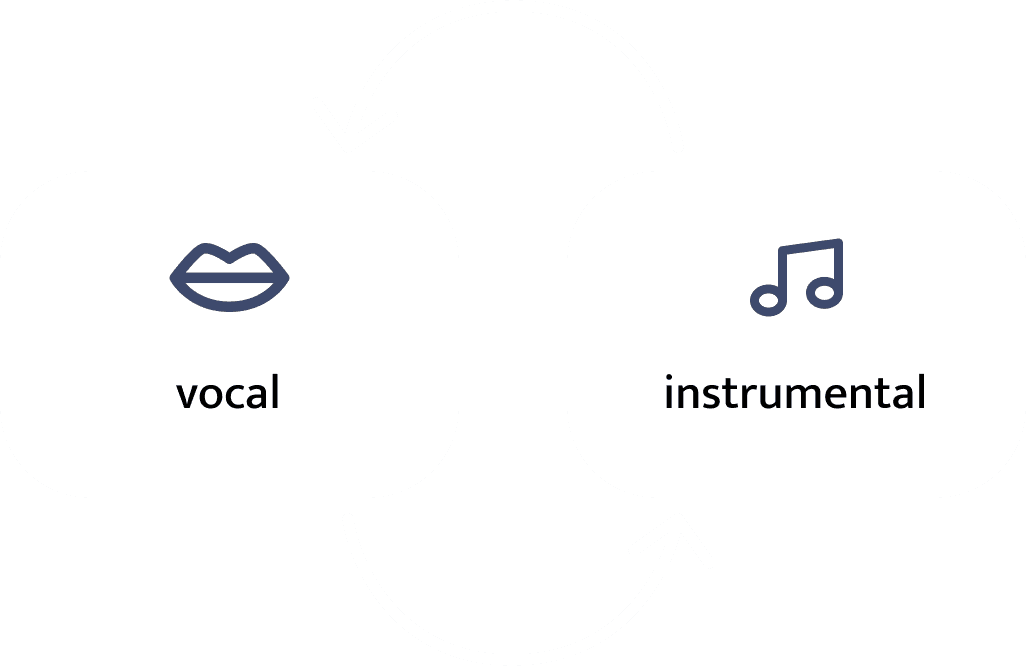
Users can switch between vocal and instrumental modes based on how they prefer to sing or listen, using either manual controls or the AI voice assistant through voice commands such as “Echo voice” and “Echo music.”
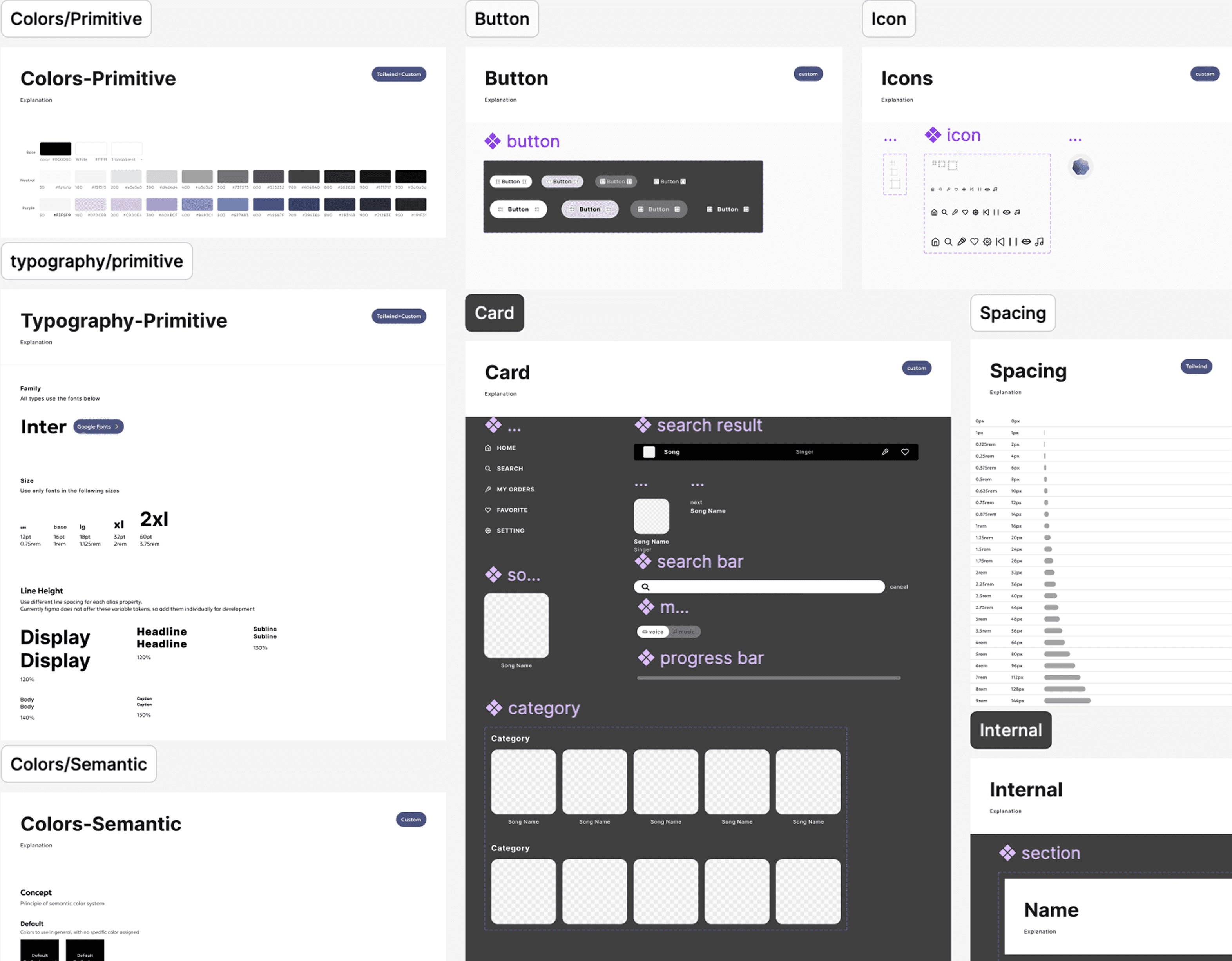

Prototype
AI Mood Recommendation
Vocal & Instrumental Mode
Manual Control
12
22-35
2
Criteria
In Real Bathroom
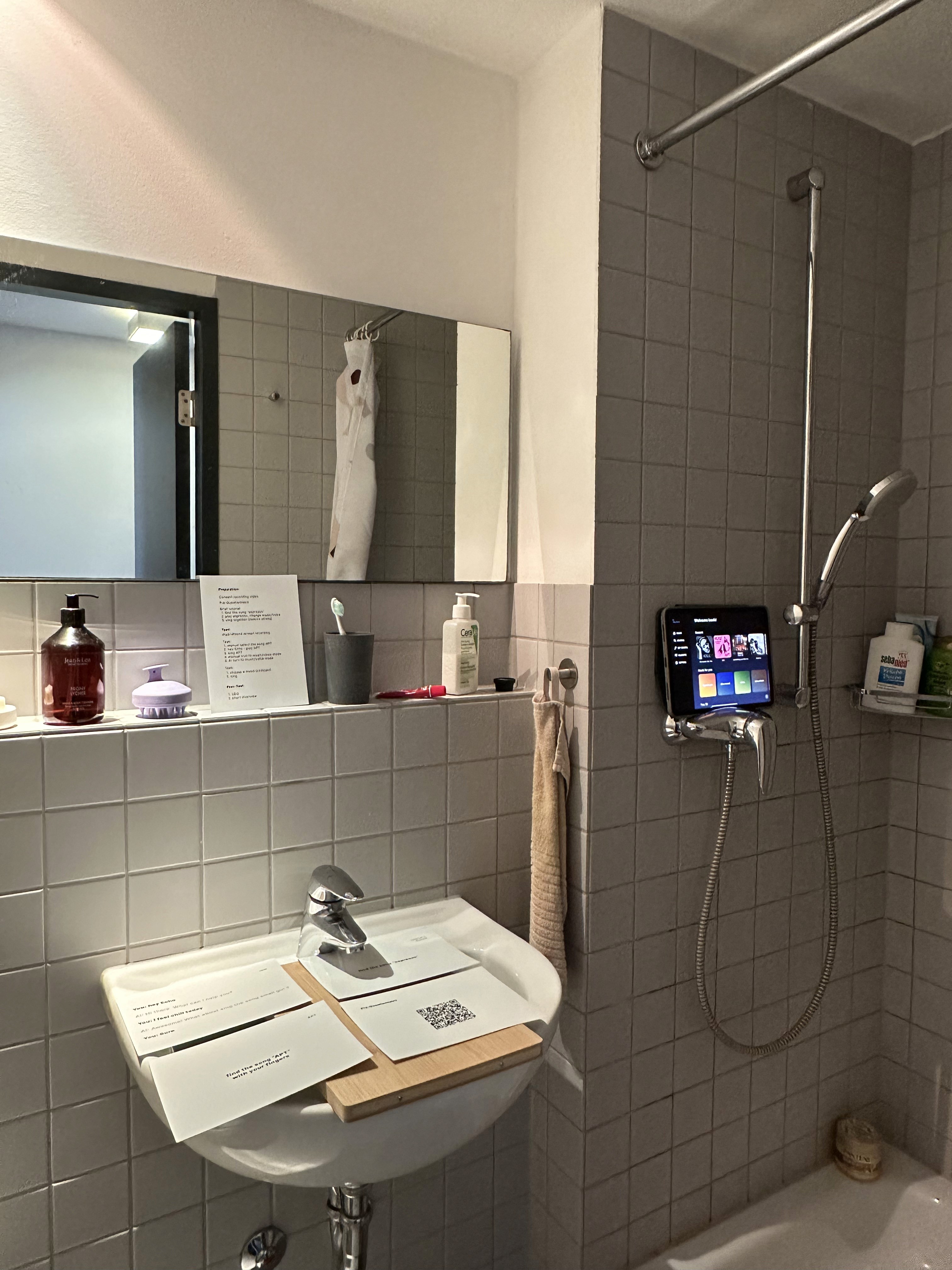
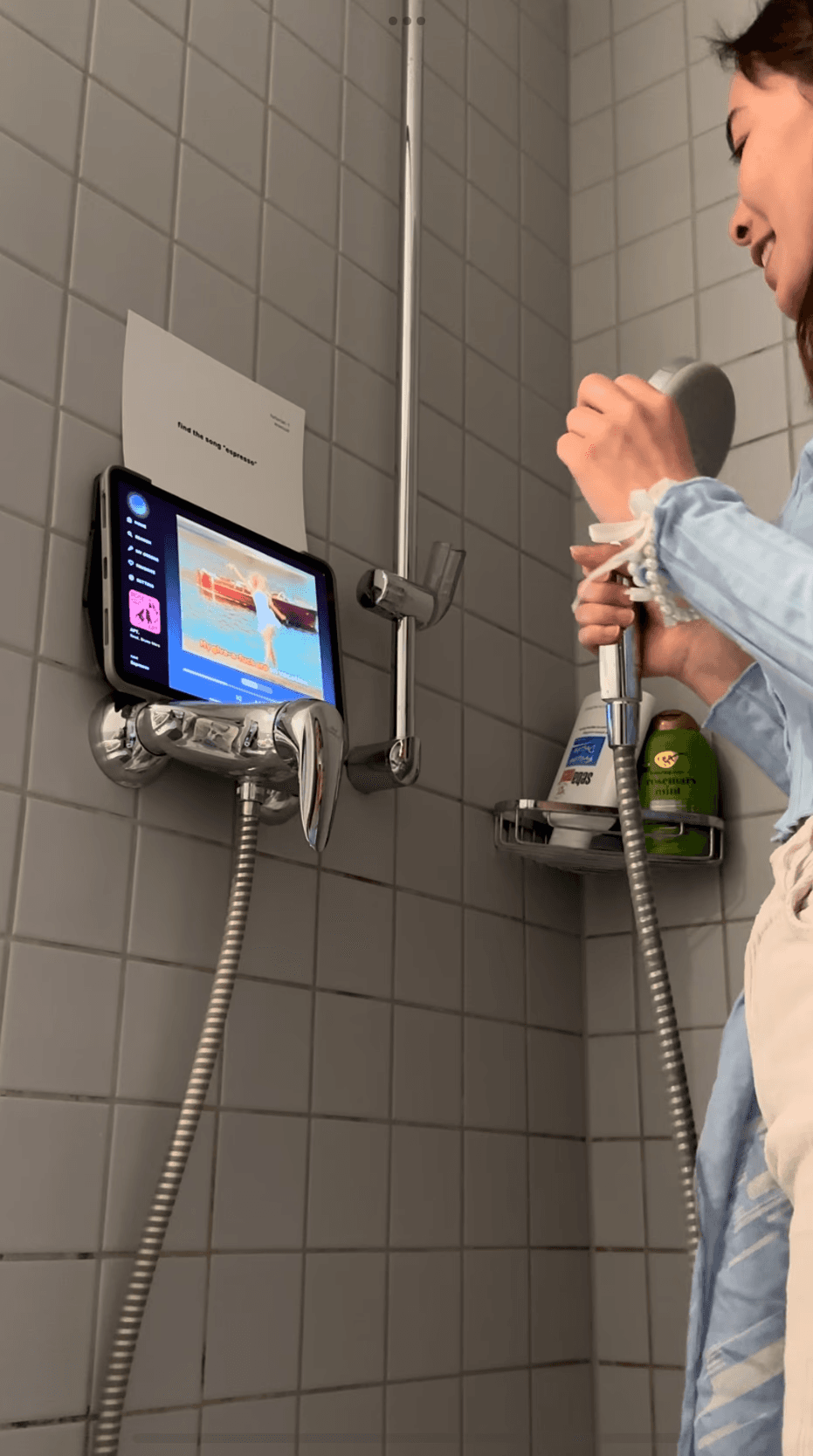
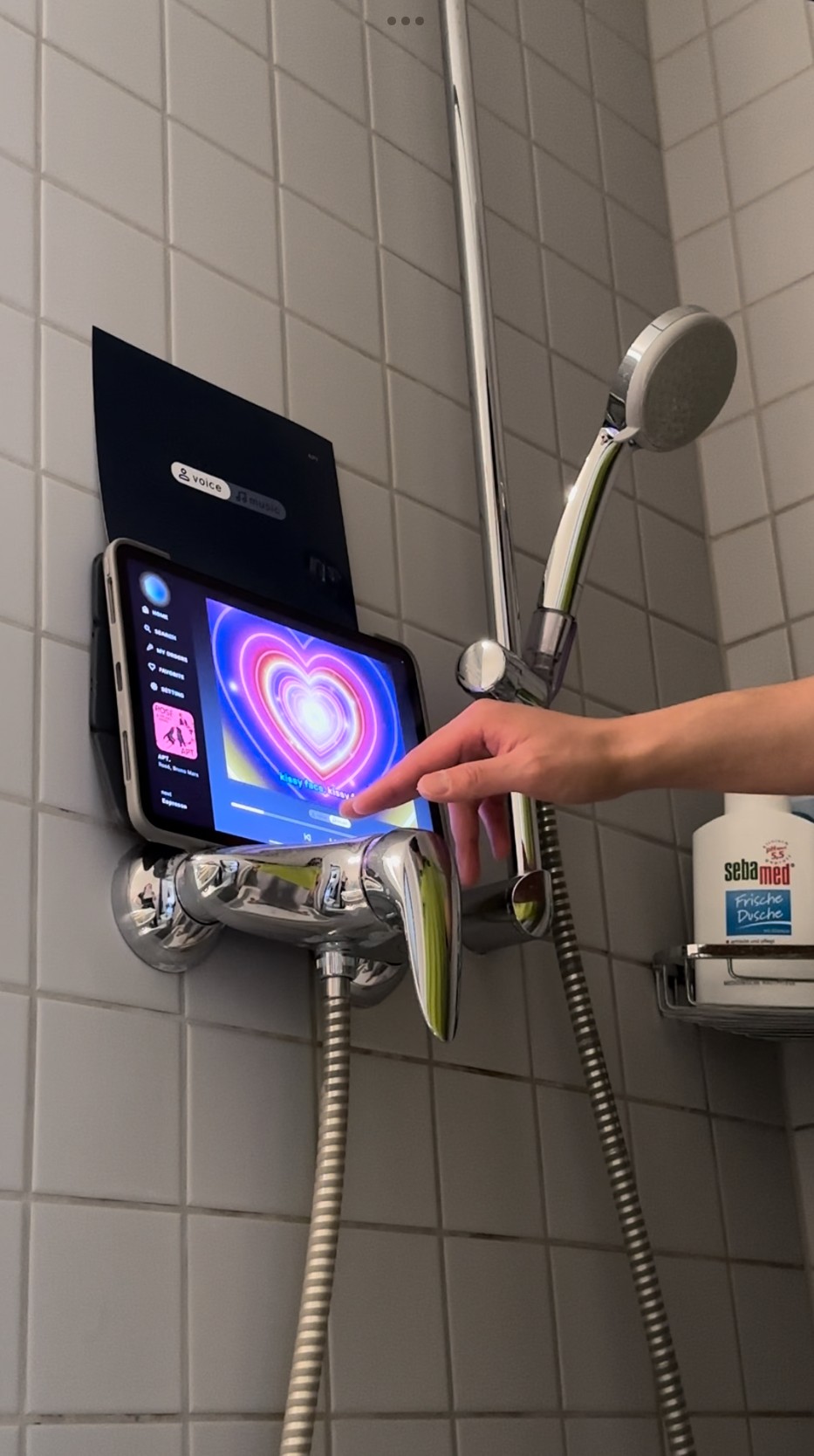
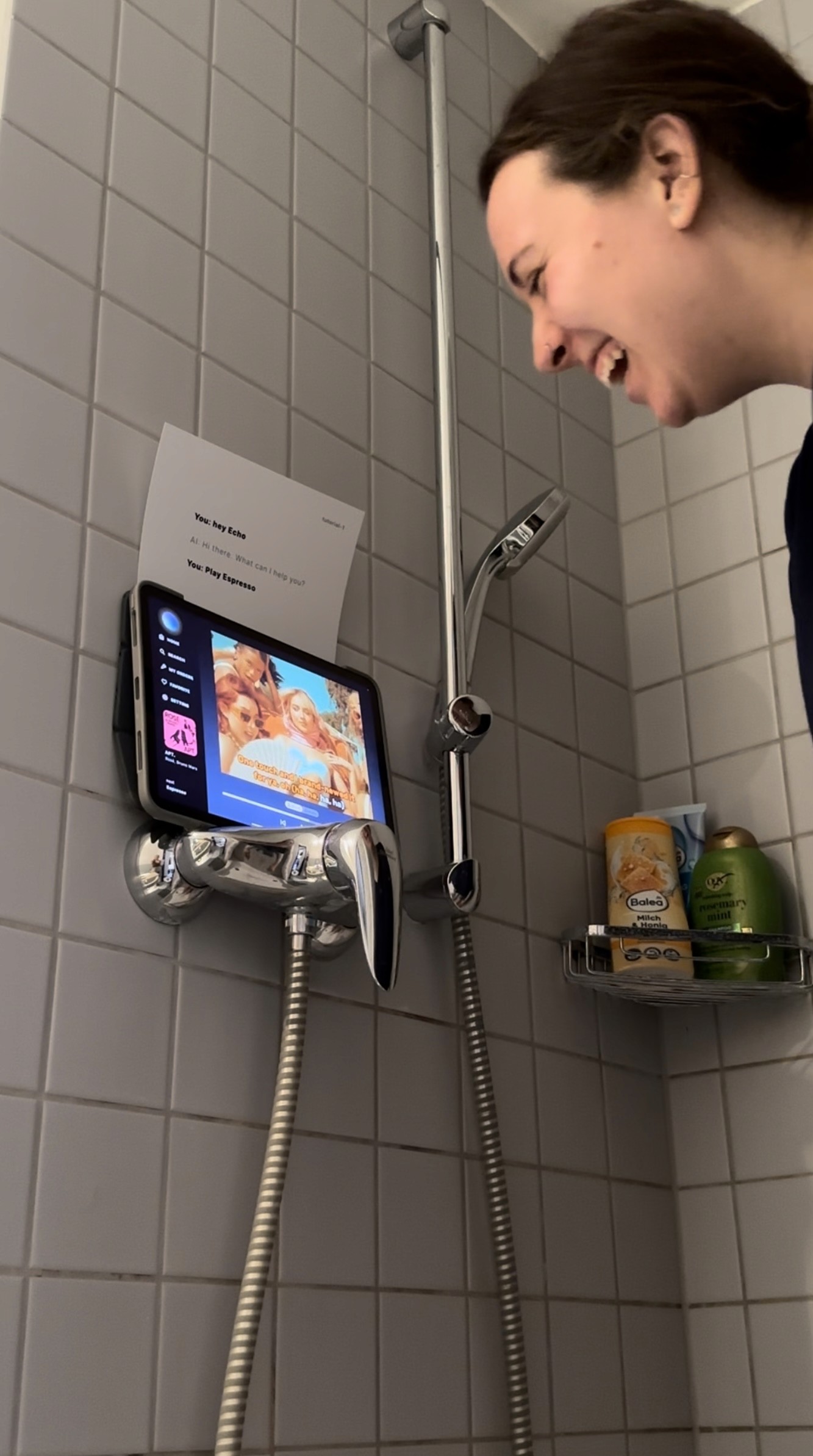
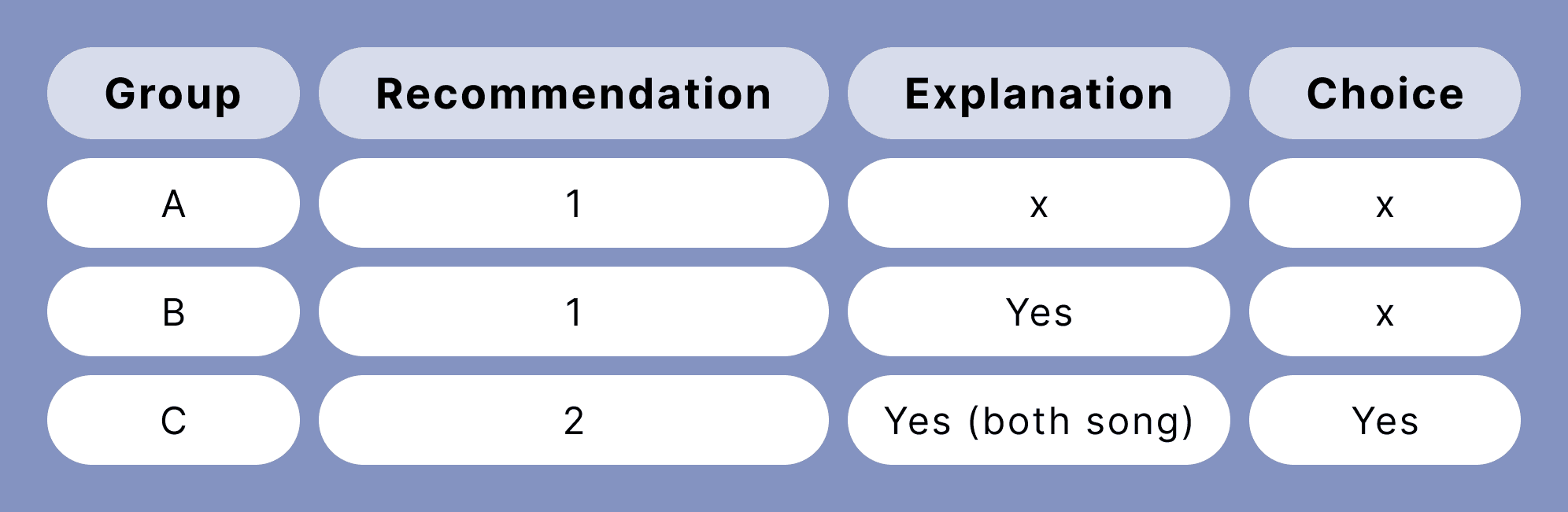
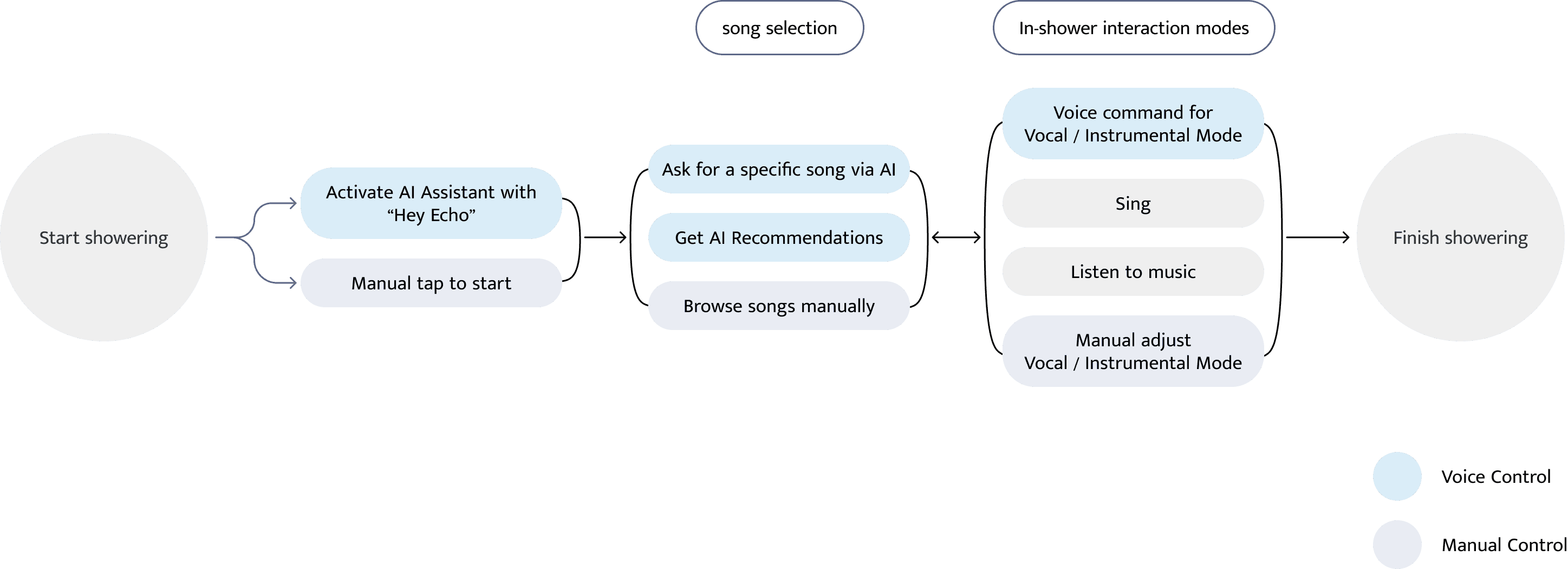
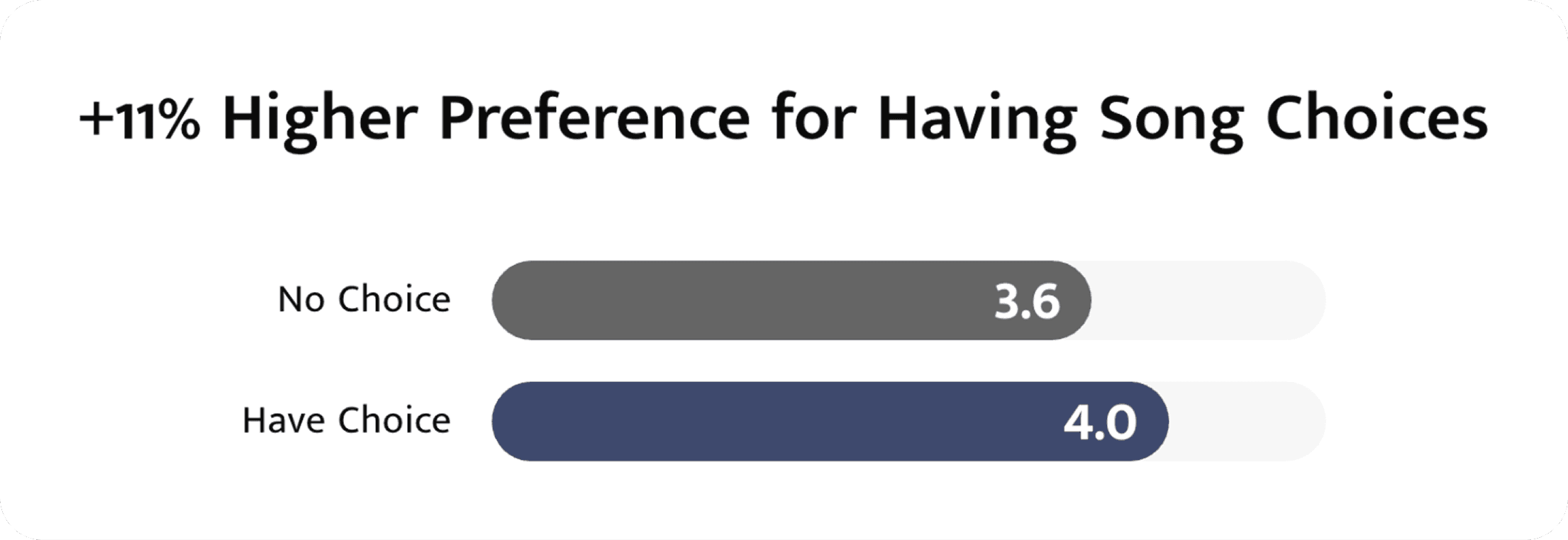
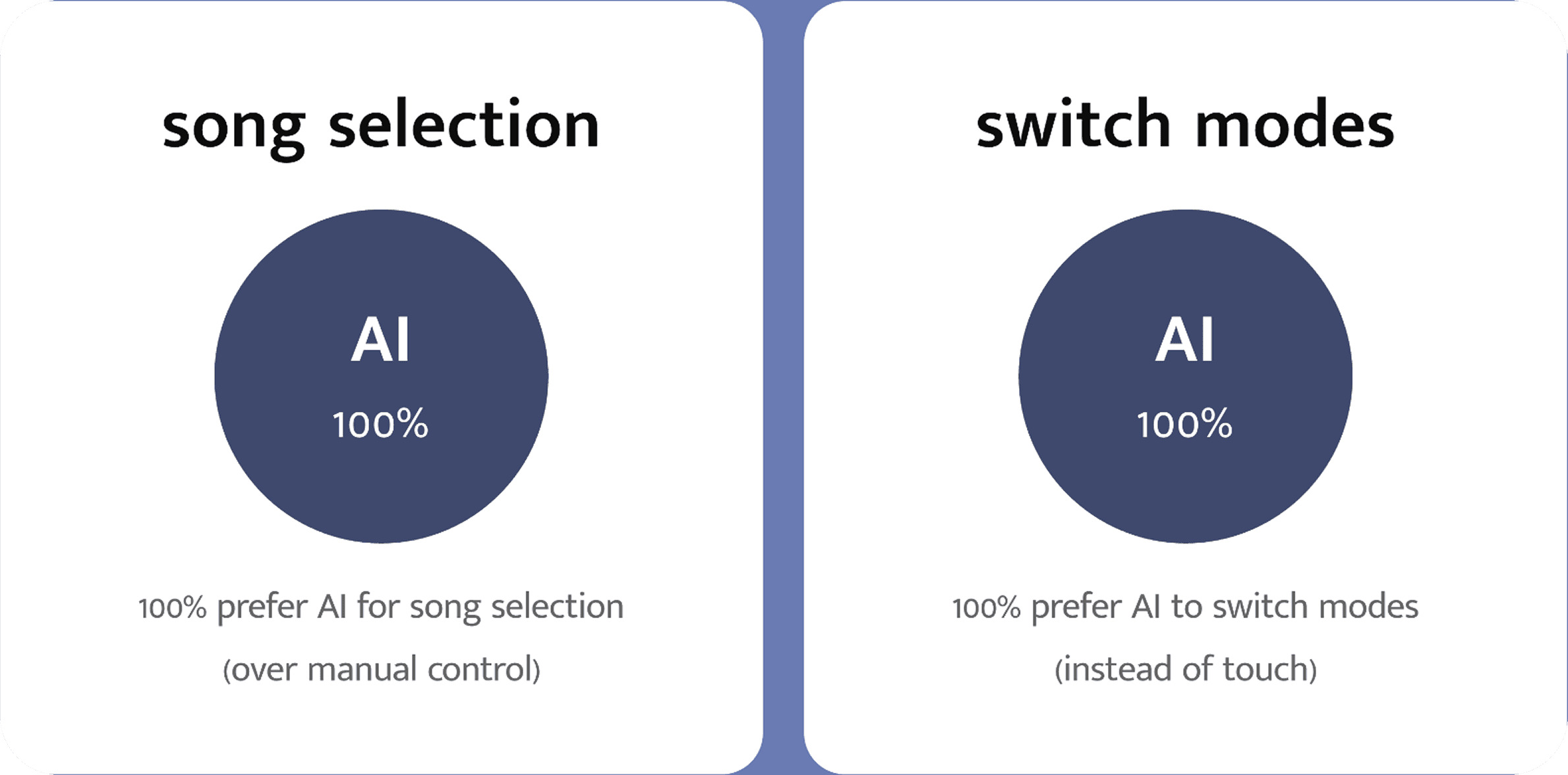
Users prefer using voice control to select songs and switch between vocal and instrumental modes.
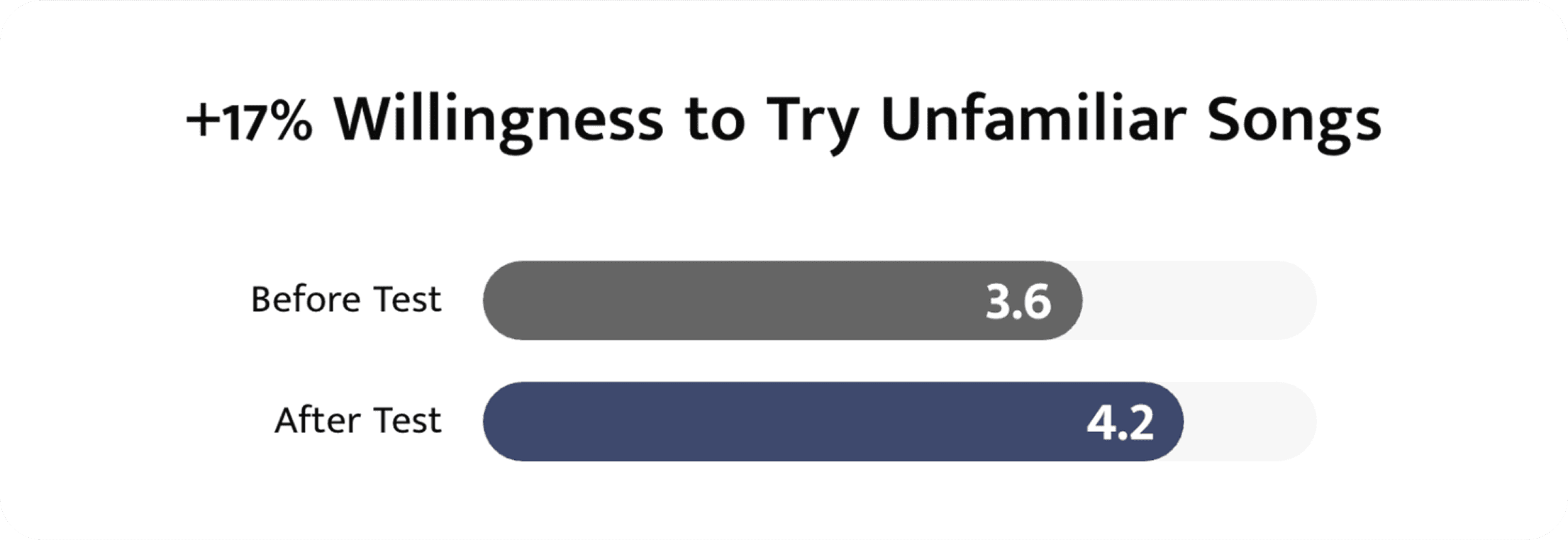
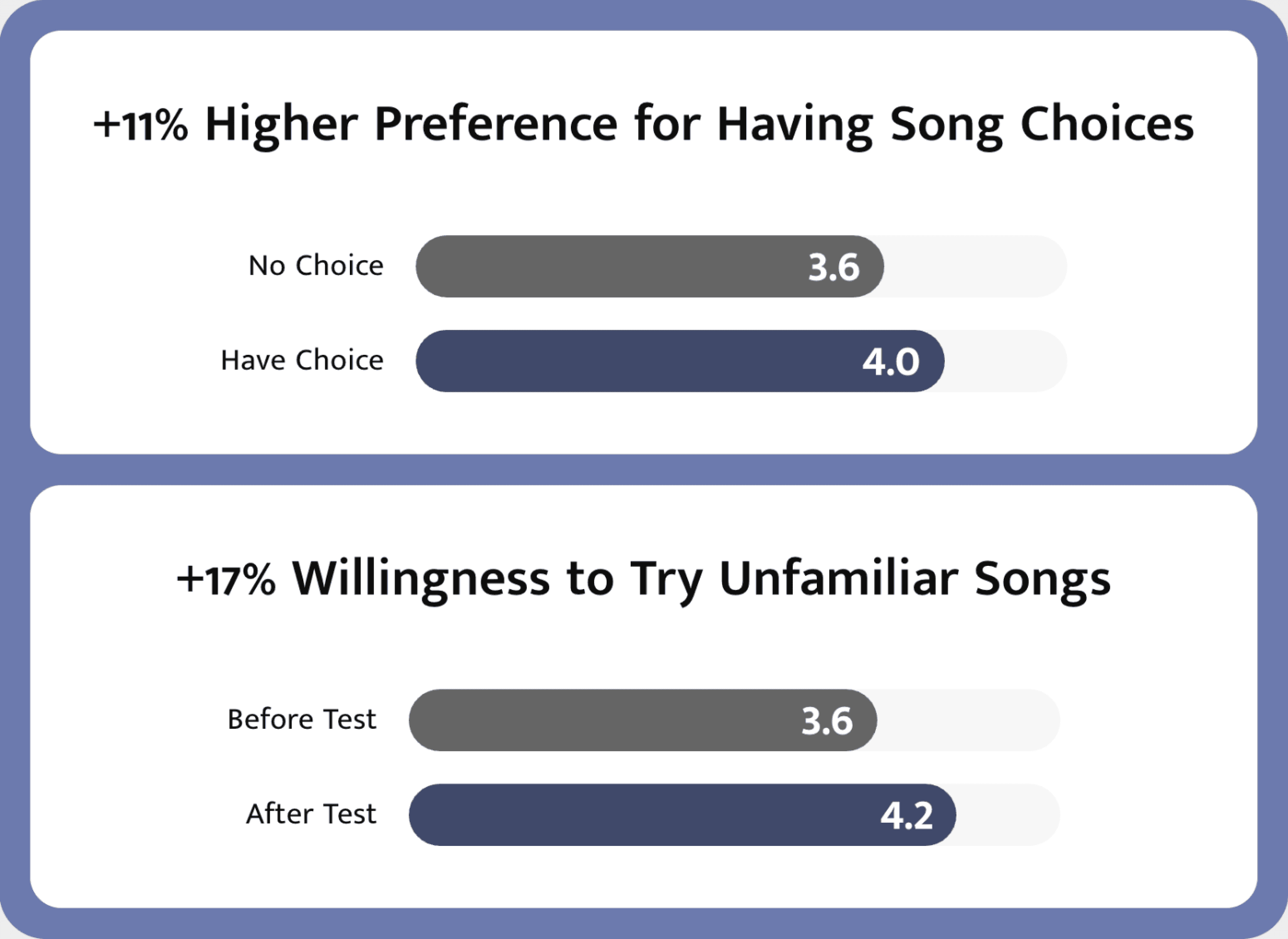
Users are more willing to accept unfamiliar song recommendations when they are based on their current mood.
Mood-based
Random
Test Result
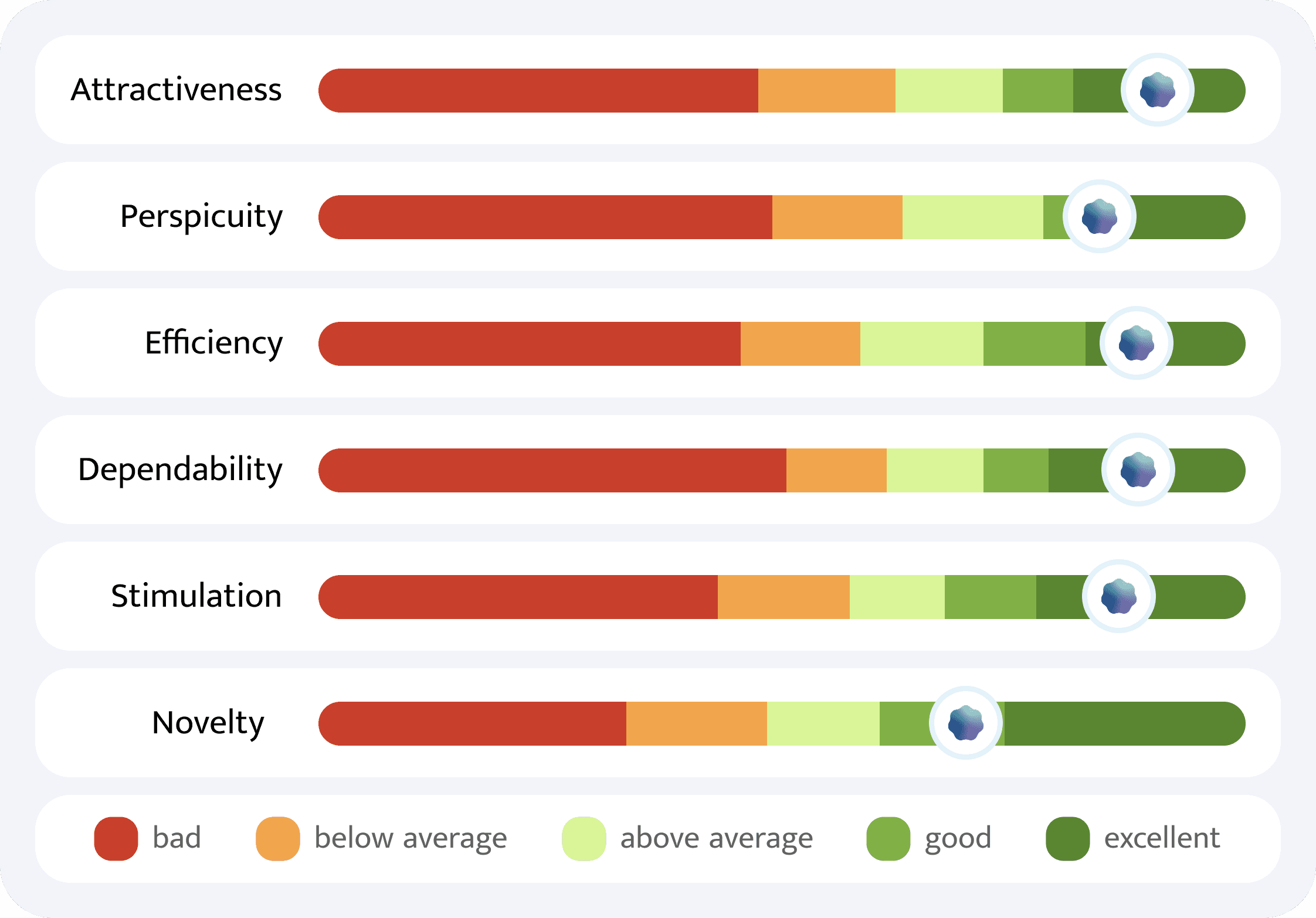
UEQ Results: Overall Rated Between “Excellent” and “Good”
Bryan | 26
Philipp | 25
Laura | 24
This project extends my earlier bathroom product design about singing in the shower. I led the end-to-end process, from prototyping and testing to analysis, especially gaining insights into UX for AI assistants in confined spaces and learning how to prototype AI-driven interactions.
Future improvements will focus on enhancing system functionality, expanding user testing, and validating performance in real wet bathroom conditions.
This experience strengthened my passion for creating intuitive, engaging AI interactions for everyday life.